Light Diesel Oil (LDO): Uses, Specifications and Industrial Applications
Light Diesel Oil (LDO) plays a crucial role in powering industrial operations that rely on boilers, furnaces, and thermic fluid heaters. Many manufacturing facilities depend on consistent and efficient fuel sources to maintain production efficiency and avoid costly downtime. According to the International Energy Agency, the industrial sector consumes over 37% of the world’s total energy , highlighting the importance of reliable industrial fuels such as Light Diesel Oil.
However, poor-quality fuel or inconsistent supply can lead to inefficient combustion, increased maintenance costs, and operational disruptions. Research cited by the U.S. Energy Information Administration indicates that inefficient fuel use can raise industrial operating costs by 10–15% due to energy losses and equipment wear.
Understanding the uses, specifications, and industrial applications of Light Diesel Oil (LDO) helps industries choose the right fuel and maintain reliable heating performance. You can see the detailed information below.
Light Diesel Oil (LDO) – Definition and Overview
Light Diesel Oil (LDO) is an industrial-grade fuel widely used for generating heat and energy in manufacturing and processing industries. It is specially formulated to support equipment such as boilers, thermic fluid heaters, furnaces, and industrial burners, where stable combustion and consistent thermal output are essential. Many industries prefer LDO because it offers reliable ignition, efficient burning, and compatibility with a wide range of industrial heating systems.
Industrial fuels like LDO play a major role in energy-intensive sectors. According to the International Energy Agency, the industrial sector accounts for more than 37% of global energy consumption, making efficient fuels critical for maintaining production efficiency. Using the right industrial fuel helps companies reduce downtime, control energy costs, and maintain consistent operational performance.
What is Light Diesel Oil?
At its core, Light Diesel Oil is a refined petroleum fuel designed specifically for industrial heating applications. It provides controlled combustion and steady heat output required in many production processes.
Common industrial uses of LDO include:
- Steam boilers used in textile and chemical plants
- Thermic fluid heaters for controlled heat transfer systems
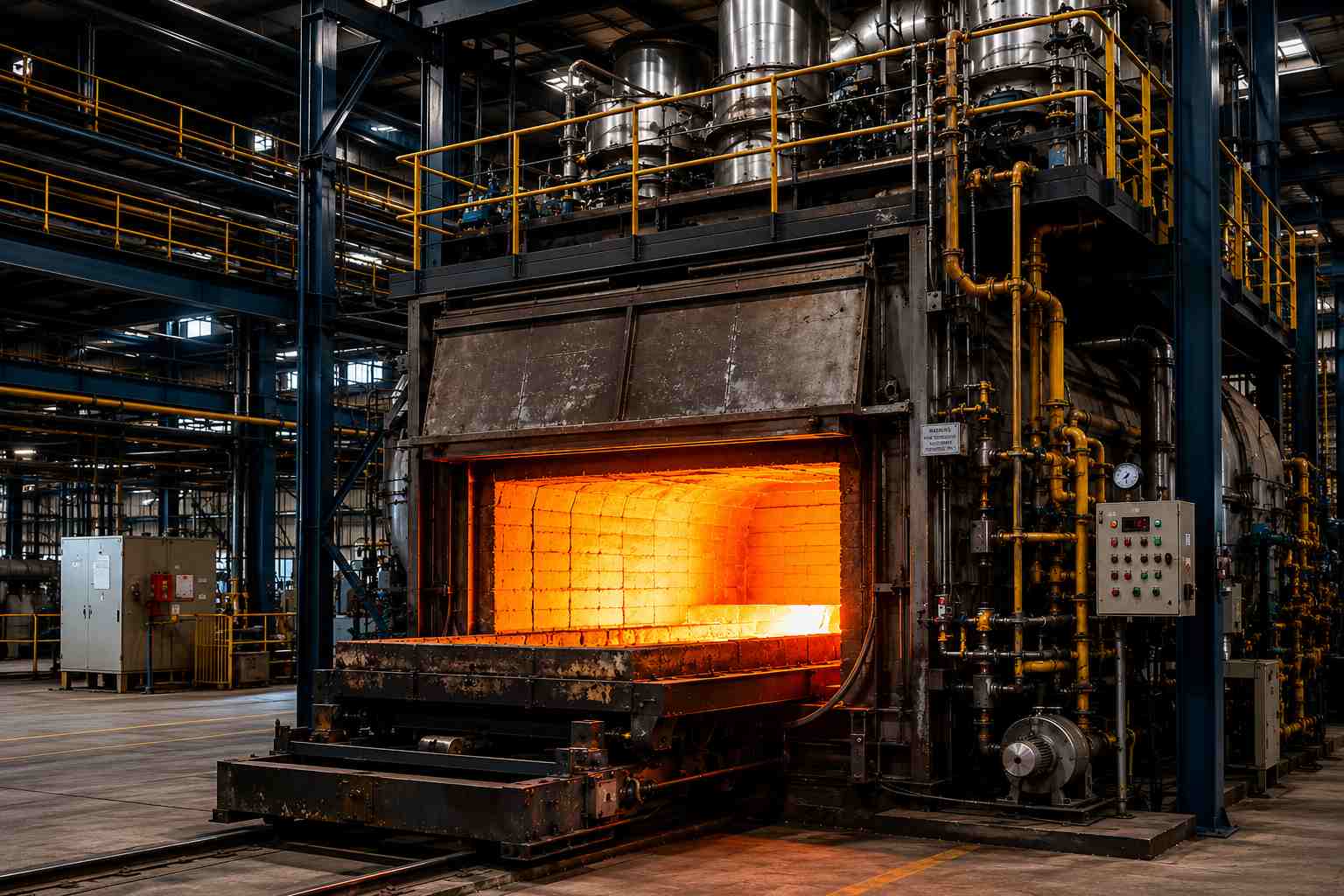
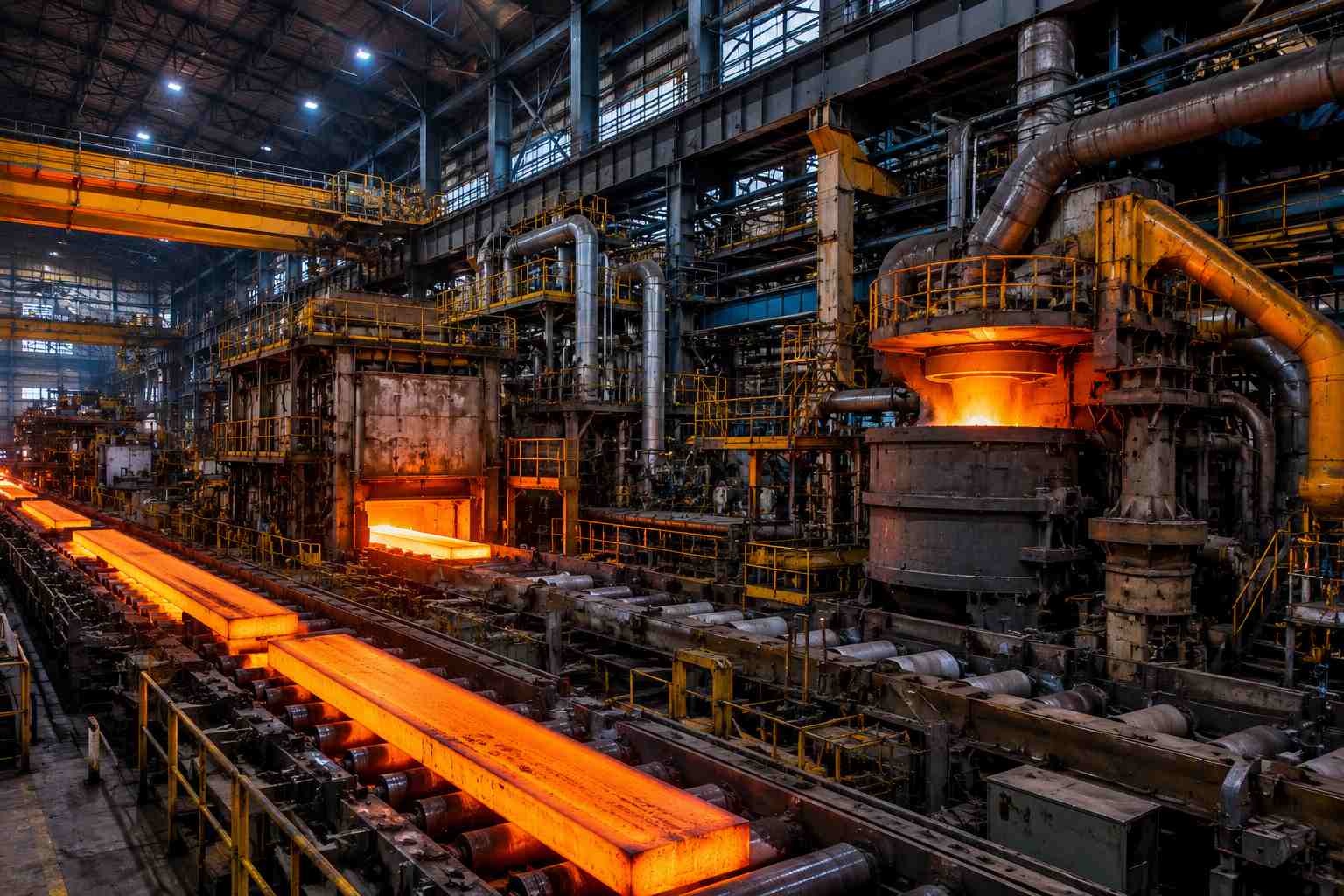
- Industrial furnaces and burners used in metal processing
- Process heating equipment in manufacturing facilities
Because of its reliable combustion characteristics, LDO helps industries maintain continuous production cycles and efficient thermal operations.
How Light Diesel Oil Differs from Regular Diesel
Although Light Diesel Oil and automotive diesel are both petroleum-based fuels, their purpose and operational requirements are very different.
Key differences include:
- Application
- LDO → Used in industrial heating equipment
- Diesel → Used in vehicle engines
- LDO → Used in industrial heating equipment
- Performance Focus
- LDO → Optimized for stable heat generation
- Diesel → Optimized for engine power and fuel economy
- LDO → Optimized for stable heat generation
- Standards and Regulations
- LDO → Generally aligned with industrial standards such as IS 15770
- Diesel → Regulated as transportation fuel
- LDO → Generally aligned with industrial standards such as IS 15770
Experts in industrial energy management emphasize that choosing the right fuel type helps improve equipment efficiency, reduce maintenance costs, and support long-term operational reliability in industrial systems.
Light Diesel Oil (LDO) Industrial Applications
Light Diesel Oil (LDO) is widely used across industries that require reliable and efficient heat generation for production processes. Its stable combustion properties and compatibility with industrial heating equipment make it a preferred fuel in manufacturing, chemical processing, and engineering industries. According to the International Energy Agency, the industrial sector consumes more than one-third of global energy, much of which is used for thermal applications such as steam generation and process heating.

Industries rely on LDO because it provides consistent energy output, easy ignition, and dependable performance in various heating systems.
Light Diesel Oil for Boilers
Steam boilers are one of the most common applications of LDO. Many industries use boilers to generate steam for production processes.
Typical industries using LDO-powered boilers include:
- Textile manufacturing
- Food processing plants
- Chemical industries
- Paper and pulp factories
LDO helps maintain steady steam production, which is essential for continuous manufacturing operations.
Light Diesel Oil in Thermic Fluid Heaters
Thermic fluid heaters use LDO to transfer heat efficiently through thermal oil systems.
Benefits include:
- Uniform heat distribution
- High thermal efficiency
- Reliable temperature control for industrial processes
Light Diesel Oil for Industrial Furnaces
Industrial furnaces used in metal processing, forging, and casting operations require high and consistent heat. LDO ensures stable flame characteristics and controlled heating.
Light Diesel Oil in Process Heating Systems
Many manufacturing facilities depend on process heating for drying, melting, or chemical reactions. Reliable fuels like LDO help industries maintain efficient production cycles and consistent product quality.
Light Diesel Oil (LDO) Technical Specifications
Understanding the technical specifications of Light Diesel Oil (LDO) is essential for industries that depend on efficient and safe fuel performance. Industrial fuels must meet specific parameters to ensure stable combustion, equipment safety, and consistent thermal output. In India, LDO quality is commonly aligned with standards such as IS 15770 , which define limits for properties like flash point, viscosity, sulphur content, and contamination levels. According to the Bureau of Indian Standards, fuel specifications help industries maintain safe operation, combustion efficiency, and regulatory compliance.

Light Diesel Oil Flash Point and Safety
The flash point indicates the temperature at which fuel vapors can ignite. For industrial-grade LDO, the flash point is typically around 66°C or higher, making it safer to store and handle compared to some lighter fuels.
Key safety advantages include:
- Reduced fire hazards during storage and transport
- Safer operation in industrial heating systems
- Compliance with industrial fuel safety regulations
Light Diesel Oil Viscosity and Density
Viscosity and density determine how well the fuel flows and atomizes during combustion.
Typical characteristics include:
- Kinematic viscosity range of 2.5–15 cSt at 40°C
- Stable density for efficient burner performance
- Proper atomization for uniform heat generation
These properties help boilers and furnaces achieve efficient combustion and reduced fuel wastage.
Light Diesel Oil Sulphur Content Standards
Sulphur levels affect both emissions and equipment longevity. Industrial standards typically limit sulphur content to around 1% by mass or lower, helping reduce corrosion and environmental impact. Proper sulphur control also improves burner efficiency and emission management in industrial facilities.
Light Diesel Oil (LDO) IS 15770 Quality Standards
For industries that rely on consistent fuel performance, quality standards for Light Diesel Oil (LDO) are critical. In India, LDO specifications are commonly aligned with IS 15770 , a standard developed by the Bureau of Indian Standards to ensure industrial fuels meet defined safety, performance, and quality requirements. Following these standards helps industries maintain efficient combustion, equipment safety, and regulatory compliance in boilers, furnaces, and thermic fluid heaters.
Quality compliance ensures that the fuel delivered to industries performs reliably under demanding thermal conditions. Experts in industrial energy management often emphasize that standardized fuel testing reduces equipment wear, improves combustion efficiency, and minimizes operational risks.
IS 15770 Requirements for Industrial Fuel
The IS 15770 standard outlines several key parameters that industrial-grade LDO must meet. These include:
- Flash point: Minimum around 66°C for safe storage and handling
- Ash content: Limited levels to prevent deposits in burners
- Carbon residue: Controlled to avoid excessive carbon buildup
- Water content: Low levels to maintain combustion efficiency
- Sulphur content: Typically limited to around 1% by mass
These parameters ensure the fuel remains suitable for high-temperature industrial heating systems.
Testing Methods Used for LDO Quality
To verify these specifications, laboratories use standardized testing procedures, including:
- Viscosity testing to ensure proper fuel flow
- Flash point testing for safety compliance
- Density measurement for combustion efficiency
- Sulphur analysis to control emissions and corrosion
These tests help suppliers provide consistent industrial fuel quality backed by documented technical reports.
Light Diesel Oil (LDO) Properties and Characteristics
The performance of Light Diesel Oil (LDO) in industrial applications largely depends on its physical and chemical properties. These characteristics determine how efficiently the fuel burns, how safely it can be stored, and how well it supports continuous heating operations. Industrial fuels like LDO are designed to deliver stable combustion, consistent heat output, and reliable operational performance in boilers, furnaces, and heating systems. According to the International Energy Agency, efficient fuel combustion in industrial systems can significantly reduce energy waste and improve production efficiency.
Combustion Efficiency
One of the key advantages of LDO is its efficient combustion behavior, which allows heating equipment to generate steady heat with minimal fuel loss.
Important combustion benefits include:
- Stable flame formation in industrial burners
- Better heat generation for boilers and furnaces
- Reduced carbon deposits compared to heavier fuels
Efficient combustion helps industries maintain consistent production processes and lower fuel consumption.
Storage Stability
Industrial fuels must remain stable during storage and transport. LDO is formulated to maintain its quality over time when stored properly.
Best practices for storage include:
- Using clean, sealed storage tanks
- Preventing water contamination
- Maintaining proper temperature conditions
Proper storage helps prevent fuel degradation and operational disruptions.
Thermal Performance
LDO is valued for its reliable thermal performance in industrial heating systems. It provides consistent heat required for applications such as steam generation, drying processes, and chemical manufacturing. Stable thermal output ensures smooth industrial operations and improved equipment efficiency.
Light Diesel Oil (LDO) Benefits for Industrial Heating
Light Diesel Oil (LDO) is widely preferred in industrial heating systems because it provides reliable and efficient fuel performance for high-temperature operations. Industries that depend on continuous heat generation such as manufacturing, textiles, chemicals, and food processing often rely on LDO to maintain stable production cycles. According to the International Energy Agency, industrial heating processes account for a major portion of global industrial energy consumption, highlighting the importance of efficient fuels like LDO.
Reliable Fuel for Boilers and Furnaces
LDO is commonly used in steam boilers and industrial furnaces because it supports stable combustion and consistent heat generation.
Industries benefit from LDO in heating equipment such as:
- Steam boilers used in textile and food processing plants
- Industrial furnaces used in metal and engineering industries
- Thermic fluid heaters used in chemical manufacturing
Reliable combustion helps maintain steady steam production and controlled heating processes.
Efficient Energy Output
One of the key advantages of LDO is its ability to generate consistent thermal energy with efficient combustion.
Key performance benefits include:
- Stable flame characteristics
- Improved heat transfer efficiency
- Reduced fuel wastage during combustion
These properties allow industries to maintain energy-efficient heating systems.
Reduced Operational Downtime
Consistent fuel quality also helps reduce equipment issues. When industries use properly tested LDO, they experience:
- Fewer burner blockages
- Reduced carbon deposits
- Lower maintenance requirements
This leads to smoother operations and fewer interruptions in industrial production cycles.
Light Diesel Oil (LDO) Role in Industrial Energy Efficiency
Light Diesel Oil (LDO) plays a significant role in improving energy efficiency in industrial heating systems. Many manufacturing industries rely on boilers, furnaces, and thermic fluid heaters to maintain high-temperature operations. Using a fuel that burns efficiently helps reduce energy losses and ensures that heating equipment operates at optimal performance levels. According to the International Energy Agency, improving energy efficiency in industrial systems could reduce global industrial energy consumption by more than 20% through better fuel use and optimized heating processes.
Improving Combustion Performance
Efficient combustion is one of the main reasons industries choose LDO for heating systems. Properly refined fuel ensures that burners operate smoothly and produce consistent heat output.
Key factors that improve combustion performance include:
- Stable fuel composition for uniform burning
- Proper viscosity levels for effective fuel atomization
- Low contamination levels to prevent burner blockage
For example, industries operating steam boilers require fuels that produce steady flame characteristics, which helps maintain consistent steam generation.
Supporting Continuous Manufacturing Operations
Industrial production lines often operate 24/7, making fuel reliability extremely important. LDO supports continuous operations by delivering dependable thermal energy.
Benefits for manufacturing operations include:
- Reduced fuel interruptions
- Consistent heat supply for process equipment
- Improved production efficiency
Reliable industrial fuels like LDO help companies maintain stable production schedules and energy-efficient operations.
Light Diesel Oil (LDO) Storage and Handling Guidelines
Proper storage and handling of Light Diesel Oil (LDO) are essential to maintain fuel quality, ensure safety, and prevent operational issues in industrial heating systems. Since LDO is widely used in boilers, furnaces, and thermic fluid heaters, improper storage can lead to contamination, reduced combustion efficiency, and equipment damage. According to the International Energy Agency, poor fuel storage practices can significantly reduce fuel efficiency and increase maintenance costs in industrial operations.
Safe Storage Practices
Industries must follow safe storage guidelines to ensure that LDO maintains its properties during storage and transportation.
Recommended storage practices include:
- Using dedicated storage tanks designed for petroleum fuels
- Keeping tanks properly sealed to prevent exposure to moisture and air
- Installing temperature control and ventilation systems
- Conducting regular tank inspections and cleaning
For example, many manufacturing plants store LDO in steel storage tanks with protective coatings to prevent corrosion and maintain fuel quality.
Preventing Contamination
Fuel contamination is one of the most common causes of burner and boiler issues. Contaminants such as water, dirt, and sediments can affect combustion performance.
Best practices to prevent contamination include:
- Regular fuel filtration systems
- Proper tank maintenance and cleaning schedules
- Monitoring water content and sediment levels
Following these guidelines helps industries maintain consistent fuel performance, safer operations, and longer equipment life.
Light Diesel Oil (LDO) Factors Affecting Fuel Performance
The performance of Light Diesel Oil (LDO) in industrial systems depends on several operational factors beyond the fuel itself. Even high-quality fuel can perform poorly if storage conditions, purity levels, or equipment compatibility are not properly maintained. Industries using boilers, furnaces, and thermic fluid heaters must pay attention to these factors to ensure efficient combustion and reliable heat generation. According to the International Energy Agency, improving fuel management practices in industrial heating systems can significantly reduce energy losses and operational costs.
Fuel Purity
Fuel purity directly impacts combustion efficiency and equipment reliability. Contaminants such as water, sediments, or dust can disrupt burner performance.
Common problems caused by impure fuel include:
- Clogged burners and fuel injectors
- Incomplete combustion leading to carbon deposits
- Reduced heat output in boilers and furnaces
Using properly tested industrial-grade LDO helps maintain consistent combustion and operational efficiency.
Storage Conditions
Improper storage can degrade fuel quality over time. Industrial facilities must maintain controlled storage environments to preserve LDO properties.
Key storage considerations include:
- Storing fuel in clean, sealed tanks
- Preventing water accumulation and moisture exposure
- Conducting regular tank inspections
Equipment Compatibility
Industrial heating systems are designed for specific fuel characteristics. Boilers, burners, and heaters must be properly calibrated to ensure efficient use of LDO. Correct equipment compatibility helps industries achieve stable combustion, improved energy efficiency, and longer equipment lifespan.
Light Diesel Oil (LDO) Choosing a Reliable Supplier
Selecting a reliable Light Diesel Oil (LDO) supplier is crucial for industries that depend on consistent fuel quality and uninterrupted heating operations. Boilers, furnaces, and thermic fluid heaters require fuels that meet strict industrial standards to ensure safe and efficient performance. According to the International Energy Agency, fuel reliability and supply chain stability are key factors that influence industrial productivity and energy efficiency.
Importance of Quality Assurance
A trustworthy supplier should follow strict quality assurance procedures to maintain fuel consistency. Industrial-grade LDO should be tested regularly to ensure it meets defined specifications such as flash point, viscosity, and sulphur content.
Key quality checks include:
- Batch-wise laboratory testing of fuel samples
- Compliance with industrial standards such as IS 15770
- Monitoring parameters like water content, ash, and sediment levels
Quality assurance ensures the fuel delivers stable combustion and reduced equipment maintenance.
Supply Reliability
Industrial operations often run continuously, so reliable fuel supply is essential. Delays or inconsistent deliveries can disrupt production schedules.
Reliable suppliers typically provide:
- Scheduled fuel deliveries
- Adequate storage and distribution networks
- Emergency supply support when needed
Documentation and Testing Reports
Professional fuel suppliers also provide technical documentation and test reports. These documents confirm that the fuel meets required standards and helps industries maintain compliance with safety and operational guidelines.
Light Diesel Oil (LDO) Future Demand in Industrial Applications
The demand for Light Diesel Oil (LDO) is expected to remain strong as industries continue to rely on efficient and dependable fuels for thermal energy generation. Manufacturing sectors such as textiles, chemicals, food processing, and engineering require reliable heating systems to maintain production efficiency. According to the International Energy Agency, industrial activity is projected to grow steadily over the next decade, increasing the need for stable and efficient industrial fuels.
Industrial Fuel Demand Trends
Industrial fuel consumption trends show that many industries still depend on liquid fuels like LDO for heating and energy-intensive processes.
Key factors driving demand include:
- Expansion of manufacturing and processing industries
- Growing need for reliable industrial heating systems
- Increased focus on efficient fuel combustion and energy management
For example, small and medium manufacturing plants often prefer LDO because it provides consistent heat output and operational flexibility.
Role of LDO in Manufacturing Growth
As manufacturing production increases, industries require fuels that can support continuous operations and stable energy supply.
LDO contributes to industrial growth by:
- Powering boilers and thermic fluid heaters
- Supporting high-temperature production processes
- Providing dependable fuel for industrial heating systems
With expanding industrial infrastructure, fuels like LDO will continue to play an important role in maintaining efficient manufacturing operations and energy reliability.
Frequently Asked Questions (FAQs)
What is Light Diesel Oil (LDO) used for?
Light Diesel Oil (LDO) is mainly used as an industrial fuel for generating heat and energy in manufacturing processes. It powers equipment such as boilers, thermic fluid heaters, industrial furnaces, and burners. Industries like textiles, food processing, chemicals, and engineering rely on LDO to maintain consistent heating for production. According to the International Energy Agency, a significant portion of industrial energy demand comes from thermal processes such as steam generation and process heating, where fuels like LDO are commonly used.
What is the flash point of Light Diesel Oil?
The flash point of Light Diesel Oil is generally around 66°C or higher, depending on the fuel grade and quality standards. A higher flash point makes LDO relatively safer to store and transport compared to lighter petroleum fuels. This safety property helps industries manage fuel storage and handling more effectively.
What are the specifications of Light Diesel Oil?
Industrial-grade LDO typically meets parameters such as:
- Flash point: Minimum around 66°C
- Viscosity: Approximately 2.5–15 cSt at 40°C
- Sulphur content: Around 1% by mass or lower
- Water content: Limited to maintain combustion efficiency
These specifications help ensure reliable performance in industrial heating systems.
Which industries commonly use Light Diesel Oil?
LDO is widely used across industries that require consistent heat generation, including:
- Textile manufacturing
- Food and beverage processing
- Chemical production
- Metal processing and engineering industries
What standard regulates Light Diesel Oil in India?
In India, Light Diesel Oil specifications are generally aligned with standards developed by the Bureau of Indian Standards, such as IS 15770, which defines quality requirements for industrial fuel performance and safety.